Culture development
Culture development – turning new behaviour into the way we work
Strategies, values and change plans only become reality when they show in the way people think, decide and act every day. Culture development at Cronquist Consult is about making new behaviour the new normal – and about understanding what keeps the old behaviour in place.
What is culture?
Culture is more than behaviour.
Inspired by Edgar Schein's understanding of organisational culture, we see culture as the shared patterns of assumptions, values, interpretations and behaviour that develop over time as an organisation learns to deal with its environment and to function together internally.
Some of it is visible: our language, symbols, structures, rituals and the way we work and collaborate.
One layer further down are the values, strategies and principles the organisation says it believes in.
And deepest of all lie the often unconscious basic assumptions and beliefs about, for example, people, customers, leadership, risk, collaboration and success.
Together, these layers shape how people perceive, think, feel, decide and act.
- The visibleLanguage, symbols, structures, rituals and behaviour
- The espousedValues, strategies and principles
- The underlyingBasic assumptions and beliefs
Culture is what we believe, what we take for granted – and what we actually do.
Why is culture so difficult to change?
The deeper a cultural pattern lies, the harder it can be to recognise.
What once solved a problem may gradually become an unquestioned assumption about “how things work here”.
When established patterns are challenged, organisations and individuals often try to restore stability.
That is why culture change is not only about telling people what to do differently. It also requires understanding:
What is keeping the existing behaviour in place?

When we want to change – while simultaneously protecting ourselves from change
As method inspiration we use Robert Kegan and Lisa Lahey's “Immunity to Change”. It allows us to map, systematically, the mechanisms that keep existing behaviour in place:
- 1What do we genuinely want to change?
- 2What are we doing – or not doing – that works against the goal?
- 3Which hidden competing commitments or concerns protect the existing behaviour?
- 4Which deeper assumptions and beliefs sit underneath?
Once these mechanisms become visible, the assumptions can be explored and tested through reflection and concrete experiments.
We do not only examine WHAT people should do differently. We also examine WHAT has made it difficult for them to do it.
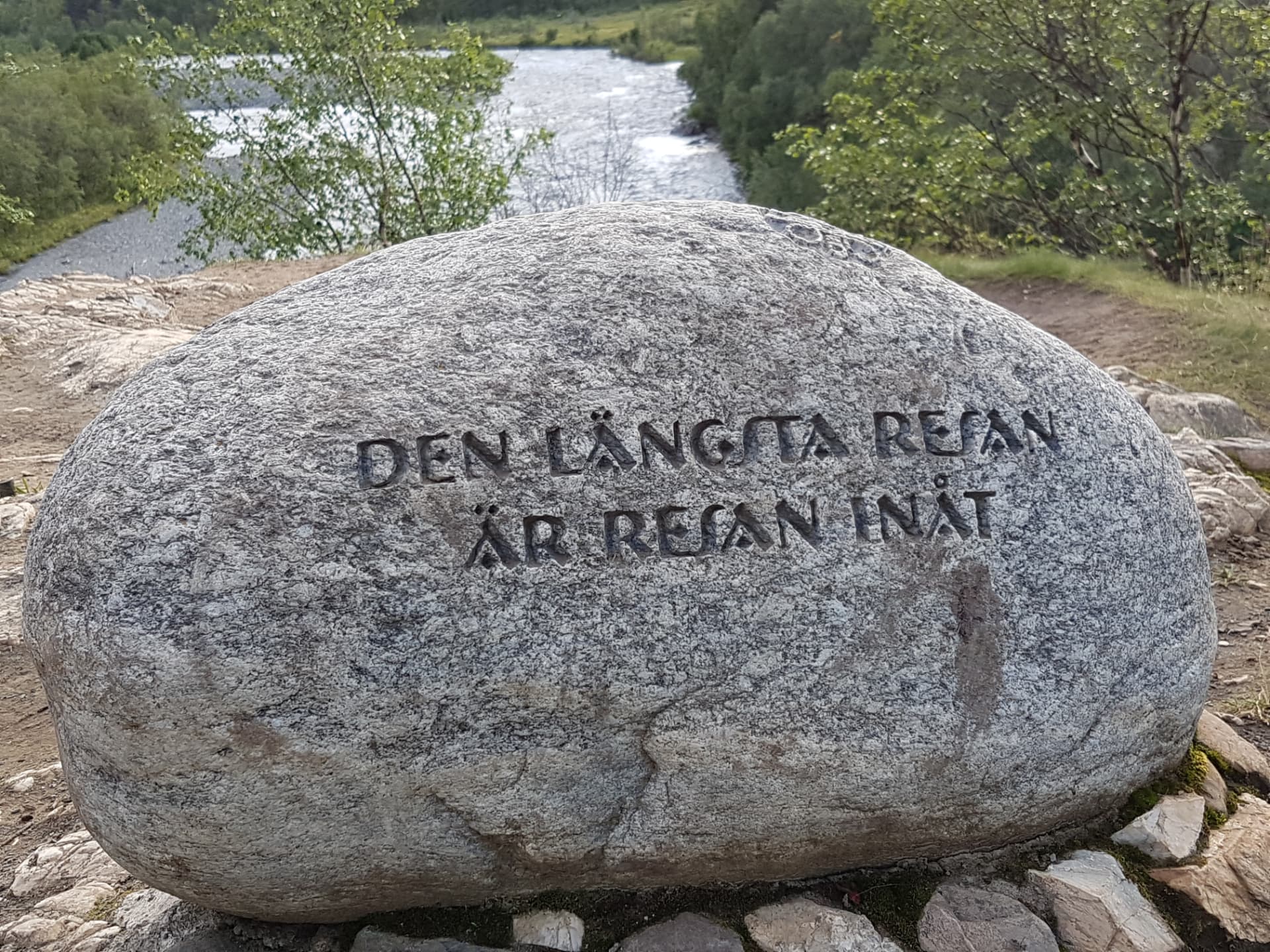
The longest journey is the journey inward
Organisational culture exists through people. Change therefore also begins with the individual – not least with the leaders who expect others to change.
In leadership development we use Robert C. Benfari's “Understanding and Changing Your Management Style” as professional inspiration. It focuses on the relationship between perception, assumptions and feelings (PAF), mental models and leadership behaviour.
Before we can consciously change behaviour, we may first need to recognise the “glasses” through which we interpret ourselves and the world.
- Perception
- Assumptions
- Feelings
- Mental models
- Leadership behaviour
Culture must be practised – not just communicated
- If an organisation wants a stronger feedback culture, people must practise feedback.
- If it wants greater customer orientation, customers must be brought closer to organisational learning and decision-making.
- If it wants stronger cross-functional collaboration, people need to solve real problems together across boundaries.
- If it wants more innovation, people need room to experiment, fail, learn and try again.
Culture changes when people begin to think and act differently – and, over time, the new practice becomes 'the way we do things here'.
Ildstorm – creating organisational momentum
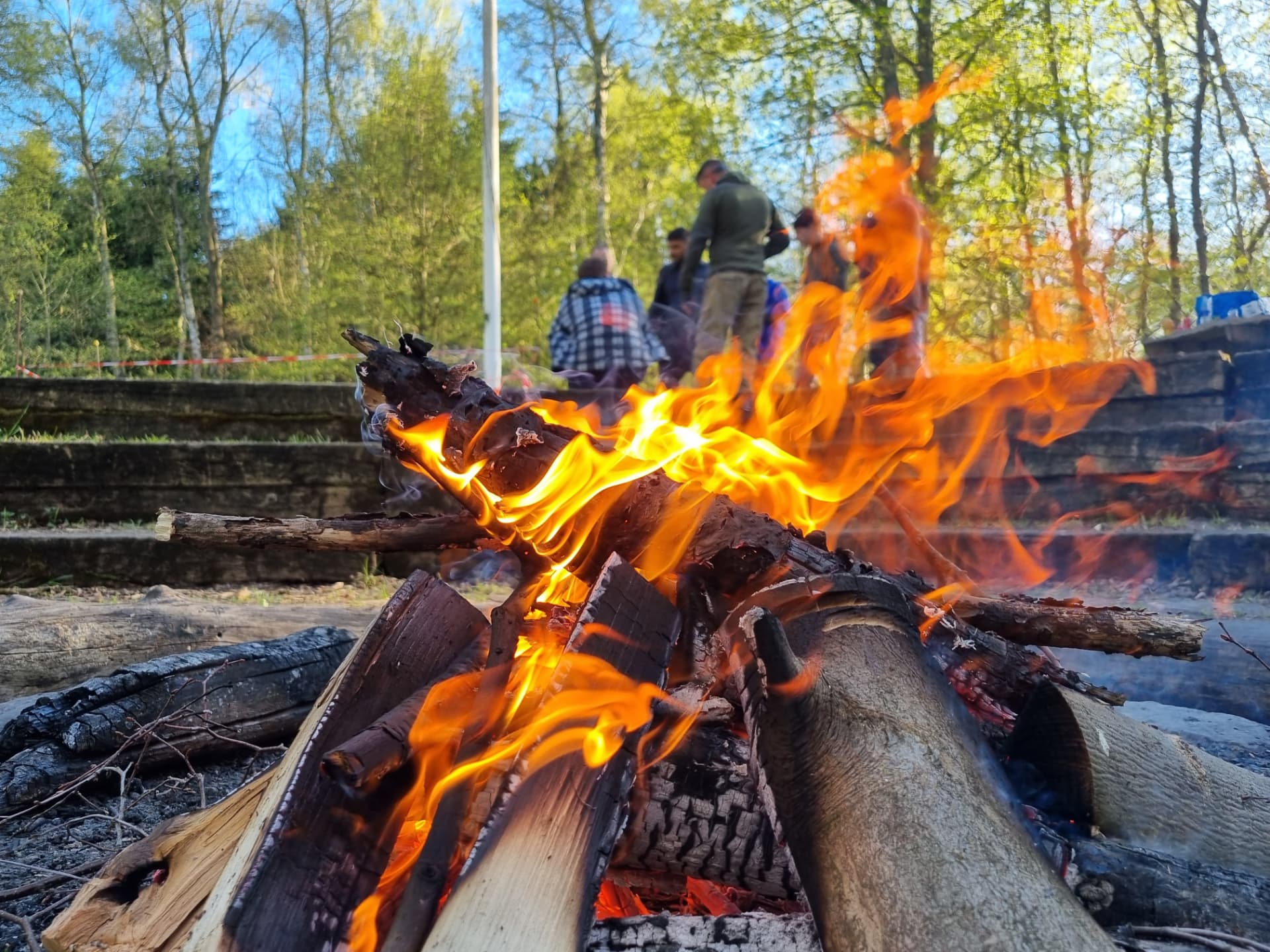
“Ildstorm” (Danish for “firestorm”) — an innovative method for creating organisational momentum.
The basic idea is to identify the organisation's passionate change agents – in Danish “ildsjæle” – through what Cronquist Consult calls “Kvadratroden af organisationen”, the square root of the organisation.
With the right support, mandate and direction, these people can independently ignite and sustain strategically important focal points.
Rather than attempting to drive the entire change centrally, multiple strategic focal points are created. The people involved can experiment, mobilise others and translate ambition into action.
When the focal points are coordinated around the same objective, the combined energy creates what Cronquist Consult calls the chimney effect (“skorstenseffekten”).
This is not a traditional top-down implementation model. Management creates direction and conditions, identifies the right people, gives them real room to act and ensures coordination.
- The square root of the organisationThe organisation's change agents are identified
- Change agentsReceive support, mandate and direction
- Strategic focal pointsThe most important areas are ignited and sustained
- Coordinated effortThe focal points work towards the same objective
- Chimney effectEnergy and movement reinforce one another
- Shared goal
In plain English: an unconventional but highly effective way of setting an organisation in motion.
From people to business
- Assumptions
- Personal leadership
- Leadership behaviour
- Team & culture
- Organisational momentum
- Strategy execution
- Business results
Change is connected.
Developing personal leadership, leadership development, team development, culture development, organisational development, change management and strategy execution are not isolated disciplines. They influence one another – and in practice they often need to be developed together.
From culture to business results
- Strategy
- Desired behaviour
- Culture
- Execution
- Results
Culture development is not an end in itself. The question is which beliefs, patterns and behaviours the organisation needs in order to execute its strategy, create customer value and deliver results.
This may, for example, involve:
- Strategy and execution
- Leadership behaviour
- Cross-functional collaboration
- Customer orientation
- Innovation
- Growth and transformation
- M&A and organisational integration
- Feedback and conflict
- Performance and execution
We bridge organisational development and business development.
Experience with culture and organisational development
Culture development is part of Cronquist Consult's work with organisational, leadership and team development, strategy execution and business development. The work draws on 35 years of practical leadership experience and on the programmes described in our cases.
Frequently asked questions
- What is culture development?
- Culture development is focused work on the shared patterns of assumptions, values, interpretations and behaviour that shape an organisation – so that the culture supports the strategy, the customers and the results.
- How do you change an organisational culture?
- By working with both the visible and the underlying: understanding what keeps existing behaviour in place, developing leaders' personal leadership and practising the new behaviour in real work until it becomes 'the way we do things here'.
- How long does cultural change take?
- It depends on how deeply existing patterns are rooted and how much needs to change. Culture changes over time through practice – so each programme is designed around the organisation's situation and ambition.
- What is Ildstorm?
- Ildstorm (Danish for 'firestorm') is Cronquist Consult's method for creating organisational momentum. The organisation's passionate change agents are identified and given support, mandate and direction to ignite and sustain strategic focal points, coordinated around a shared goal.
- How are culture and business results connected?
- Strategy requires specific behaviour. When that behaviour becomes part of the culture, the strategy gets executed – and that is where results are created. Culture development is therefore not an end in itself.
Shall we talk about your culture?
Tell us which strategy or change the culture needs to support. Then we will arrange an introductory conversation about where it makes sense to begin.
Book a conversation