
Emergency preparedness and crisis leadership – practical leadership under pressure
Train your ability to build situational awareness, make decisions and lead people when time is short and information is incomplete.
Cronquist Consult and OLTC turn crisis leadership into practical training through realistic scenarios and exercise facilities.
Typical format: 8–12 participants · 3 intensive residential days
Denmark’s only programme of its kind for civilian businesses
The distinctive element is the combination: Mads Cronquist’s operational background as an emergency management officer and incident commander, experience of leadership during war and disaster preparedness, and practical training scenarios where teams carry out concrete emergency-response tasks in the field.
The programme builds on OLTC’s High Performance Team Leadership and trains leaders to set direction, prioritise and enable people to act together under pressure.
Understanding must become action
Theory can provide an understanding of emergency preparedness and crisis leadership. The ability to lead people under pressure requires practical training.
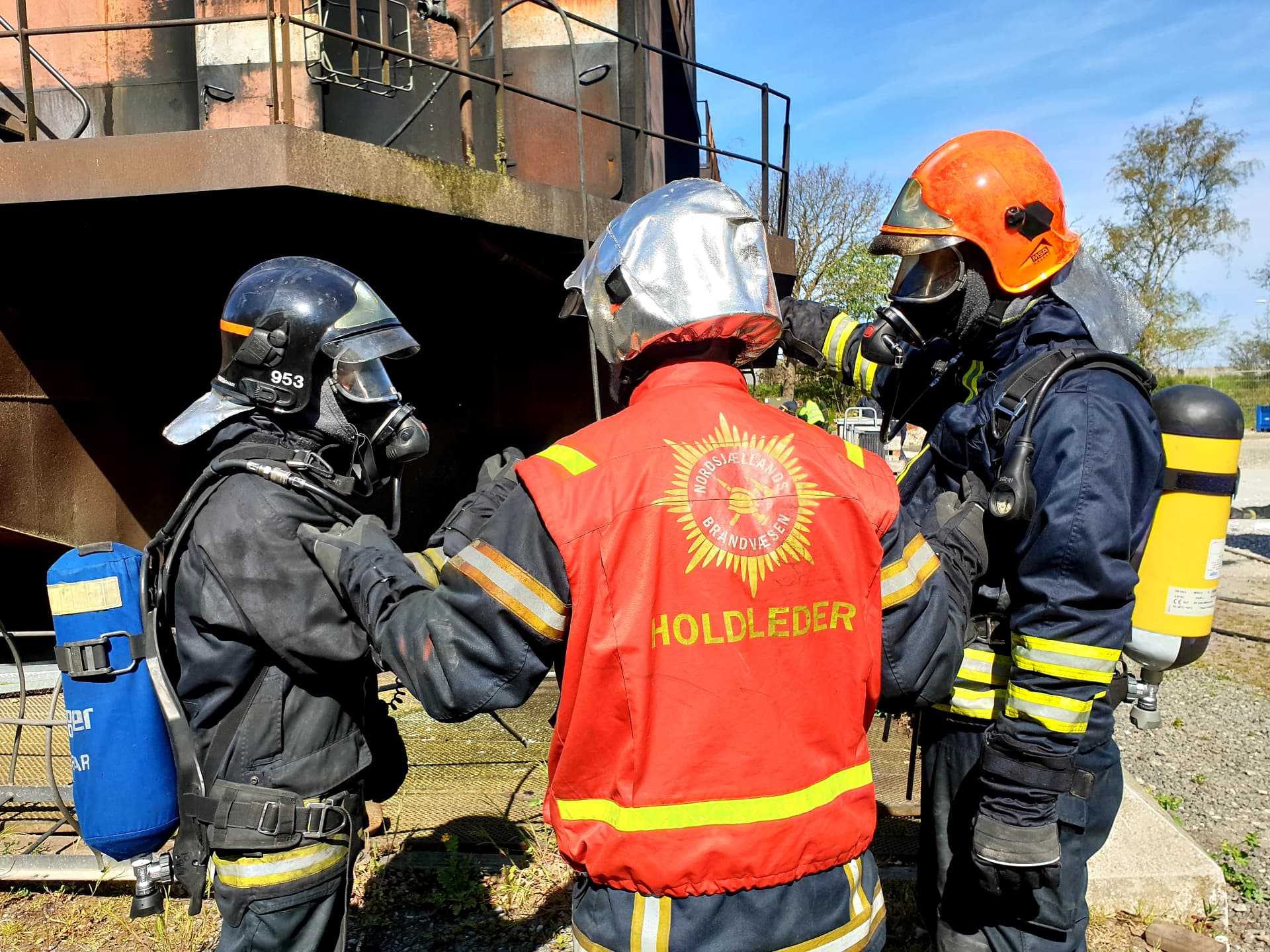
Participants work with realistic scenarios and simulations where teams may, for example, carry out rescue and firefighting tasks. The task may be unfamiliar and the information incomplete. Yet someone still has to build an overview, make decisions, allocate responsibilities and follow up.
That is the leadership task we train: How do you enable people to succeed together when the situation is unlike anything you have encountered before?
What you train
- Situational awarenessWhat do we know, what are we assuming, and what do we still need to find out?
- Decisions under pressurePrioritise and act on incomplete information.
- Direction and rolesMake the task, responsibility and intent clear.
- CommunicationGive clear messages and check what others have understood.
- CoordinationBring the team’s different contributions together into a coordinated response.
- Adaptation and follow-upAdjust actions as the situation changes.
How you train
Clicking loads the video from YouTube.
Training connects briefing, practical tasks, observation and shared reflection. Participants experience how their decisions and communication affect the team’s actions.
Firefighting and rescue tasks provide the training setting. The learning objectives are leadership, collaboration and decision-making. The specific exercises, instruction and arrangements are agreed as part of the programme.
Participants practise a structured approach to decisions under pressure. The specific decision-making technique is introduced and applied during training.
From exercise to everyday work
After the exercises, we examine what created clarity and effective action, where collaboration became difficult, and what the team will do differently.
The experience is connected to the company’s own situations: When an important delivery fails, an incident requires rapid coordination, or the leadership team must act before all the answers are available. The training should be reflected in how you lead and follow up afterwards.
Experience from the field
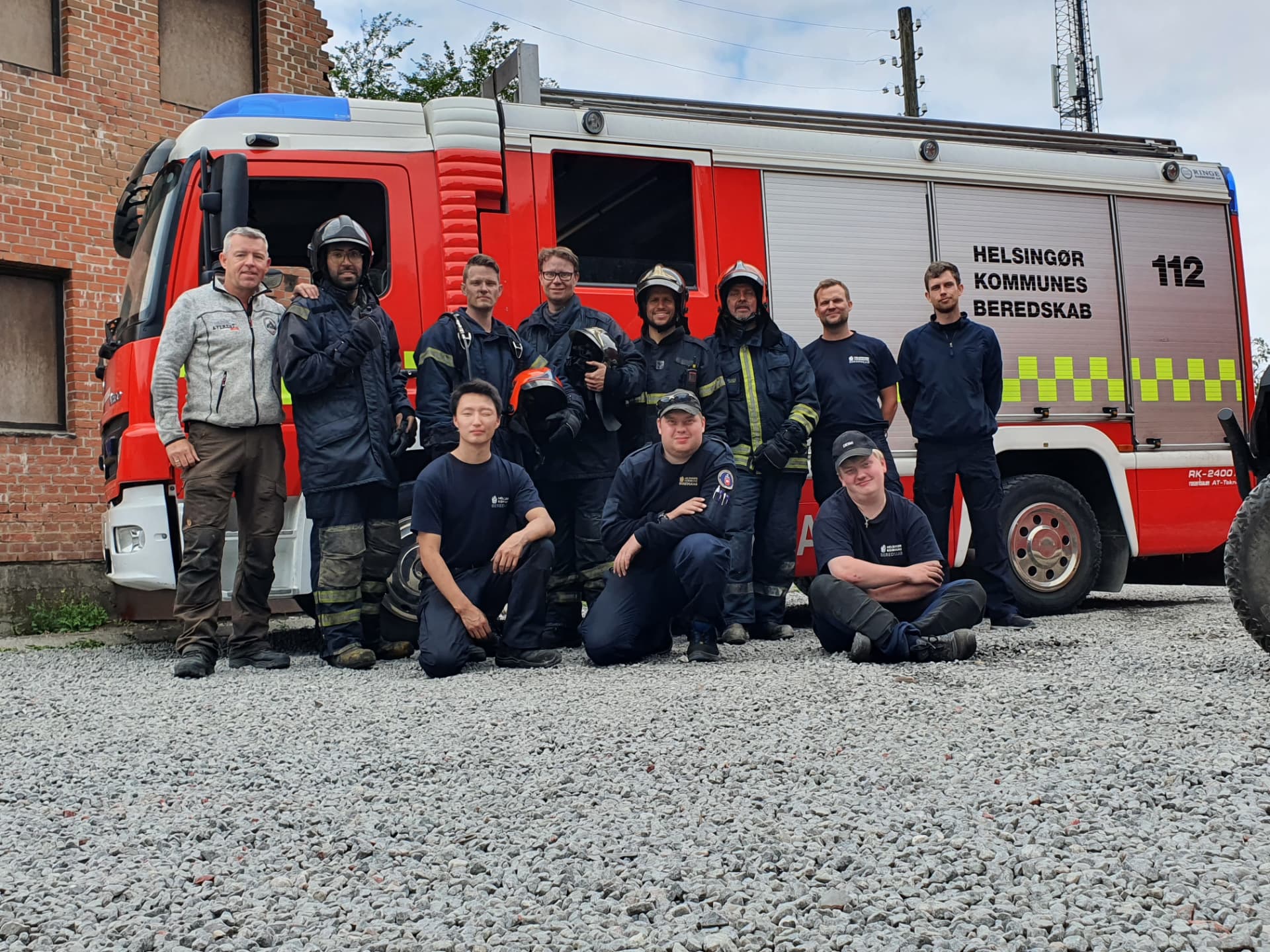
Mads Cronquist trained as an emergency management officer and incident commander. During the war in Bosnia, his responsibilities included overall project leadership of Danish Mobile Hospital, with coordination, logistics and leadership across professional groups and organisations.
In Japan, he worked on the development and design of mobile hospital units for earthquake disasters, including a C3i unit – Command, Control, Communication and Intelligence – for information, communication and operational coordination.
This operational experience is combined with many years of civilian management experience and developing leaders and teams in business.
Format and participants
The programme is relevant to leadership teams, leaders and teams seeking to strengthen their shared readiness to lead and act under pressure.
Content and training environment are adapted to the purpose. A typical programme brings together 8–12 participants for three intensive residential days. The specific format is agreed with you.
Does your leadership readiness need practical training?
Tell Mads which situations your leaders and teams need to handle. We will discuss a relevant programme and training environment.
Talk to Mads