Company-tailored Leadership Programme
A complete foreman development programme tailored to your daily operations, projects and culture.
Explore the programme
Foreman Training and Site Supervisor Development
From skilled professional to strong people leader
Leadership trained in real-life situations – at your workplace, with your people, on your sites – with responsibility for customers, finances, suppliers and results.
Explore the programmeA complete foreman development programme tailored to your daily operations, projects and culture.
Explore the programmeWe train leadership in real situations – on construction sites, in production or in daily operations.
See how we trainWe combine theory, training and reflection so your foremen can quickly turn new knowledge into action.
Gain insight into your role, your responsibilities and the key leadership dilemmas.
Practise realistic situations and difficult conversations.
Use the tools in your own day-to-day work on site.
Share experience, get feedback and find new solutions together.
Create lasting results for people, wellbeing, quality and progress.
A good foreman is more than a technically strong tradesperson. You need to lead people, build collaboration, ensure quality, keep an eye on customers, finances, suppliers and resources – and help shape a strong culture on site.
Sets direction, makes decisions and drives progress.
Builds strong crews, creates trust and gets people performing together.
Ensures professional quality, safety and the ongoing development of employees.
Leads by example and creates a positive, safe learning culture.
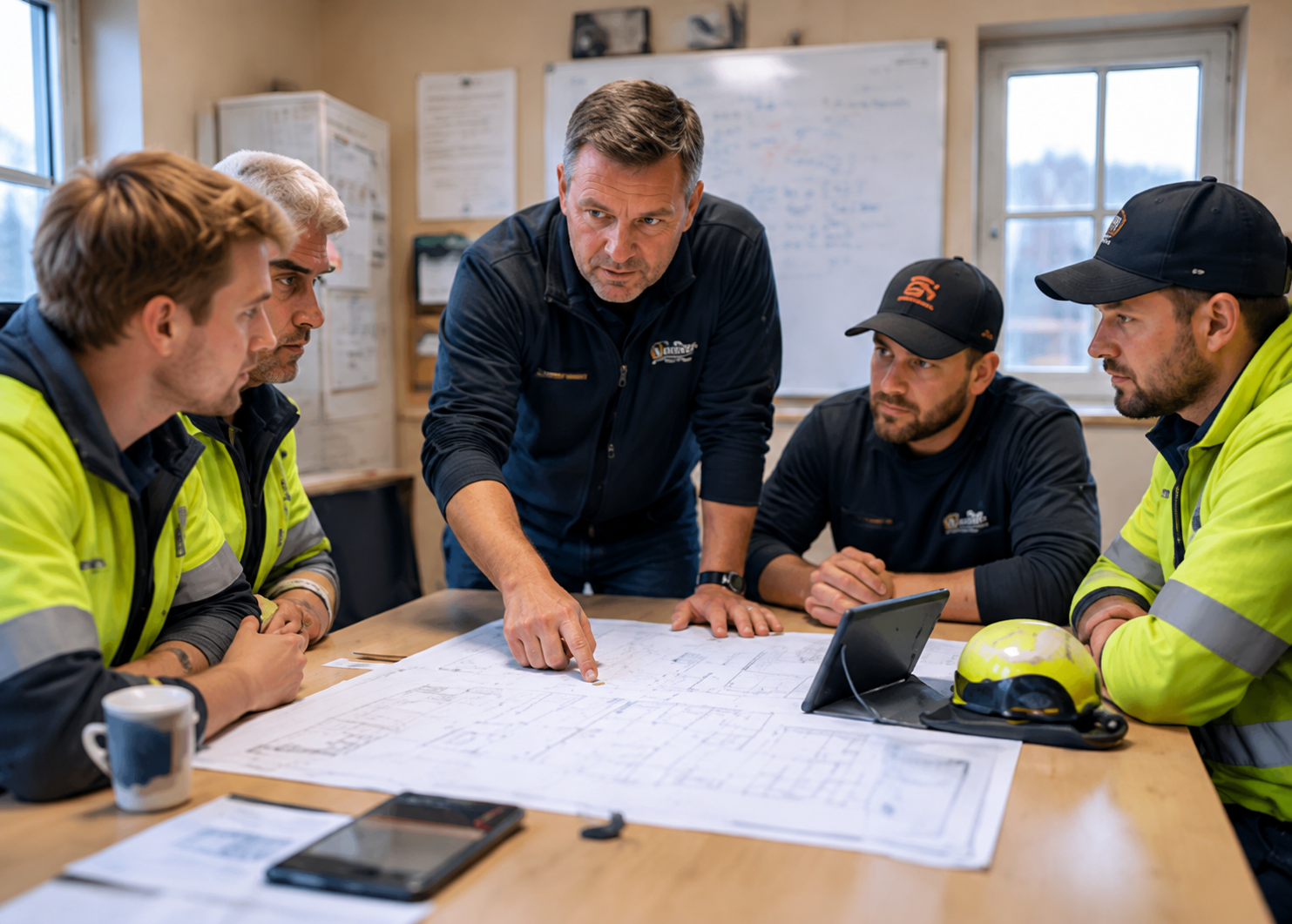
We work with concrete tools and methods that equip you to handle your day-to-day role as a foreman – from planning and communication to conflict handling and collaboration across trades.
At the same time, you focus on customer requirements, finances, deliveries, use of resources and quality, so you create lasting results for both people and the business.
See the full outcomesLeadership for foremen, supervisors and crew leaders
Leadership practised in the real world
Cronquist Consult develops company-specific leadership programmes for foremen and supervisors. Leadership, communication, teamwork, safety, instruction and collaboration are practised close to the reality in which they need to work.
Discuss your frontline leadersPowerPoint, flipcharts, Post-its, theory, dialogue, reflection and cases can all be useful learning tools. They create language, understanding and perspective.
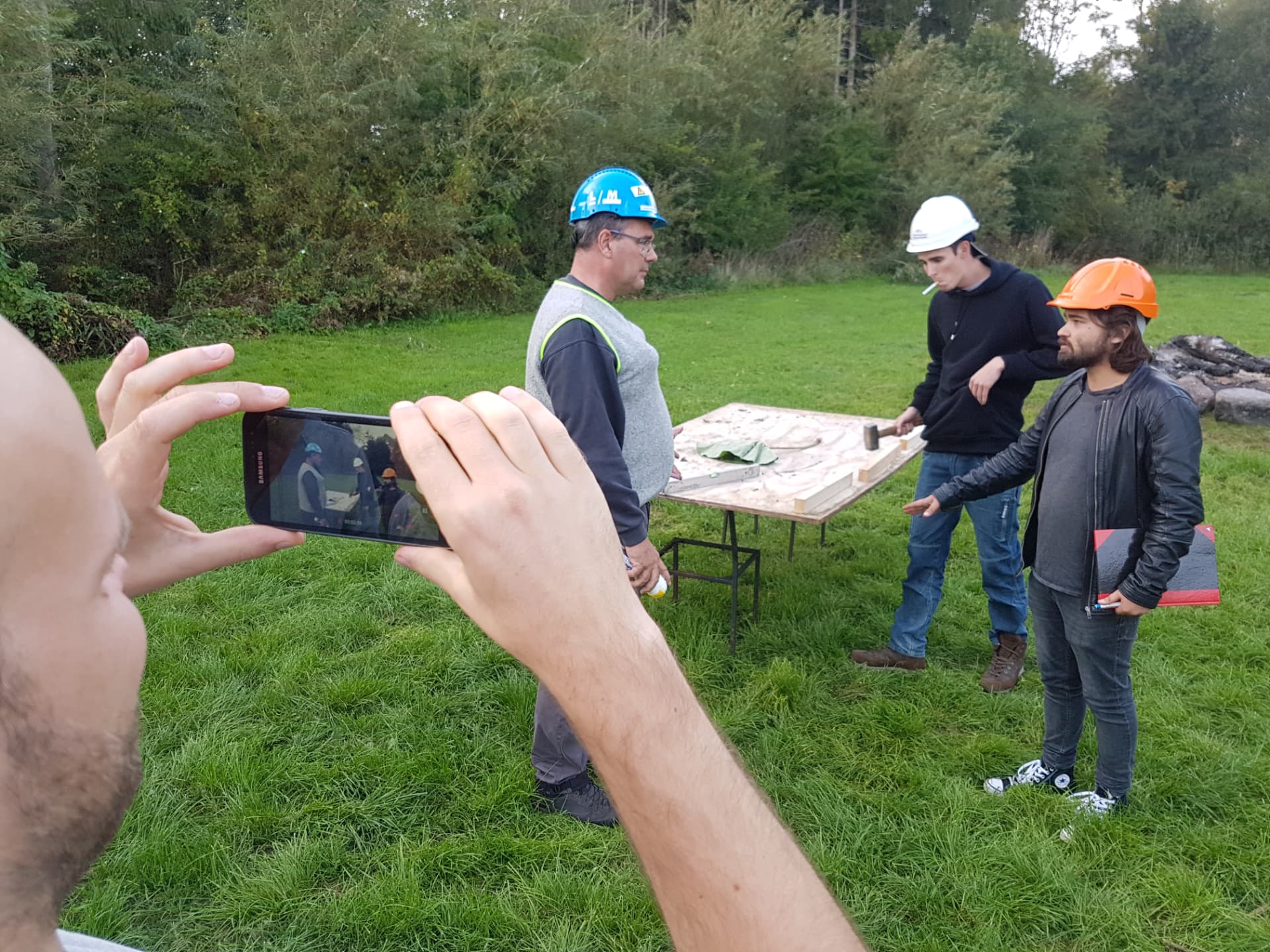
Learning should not remain in an artificial course environment. It should also be simulated, tested, reflected on and applied where leadership actually has to work.
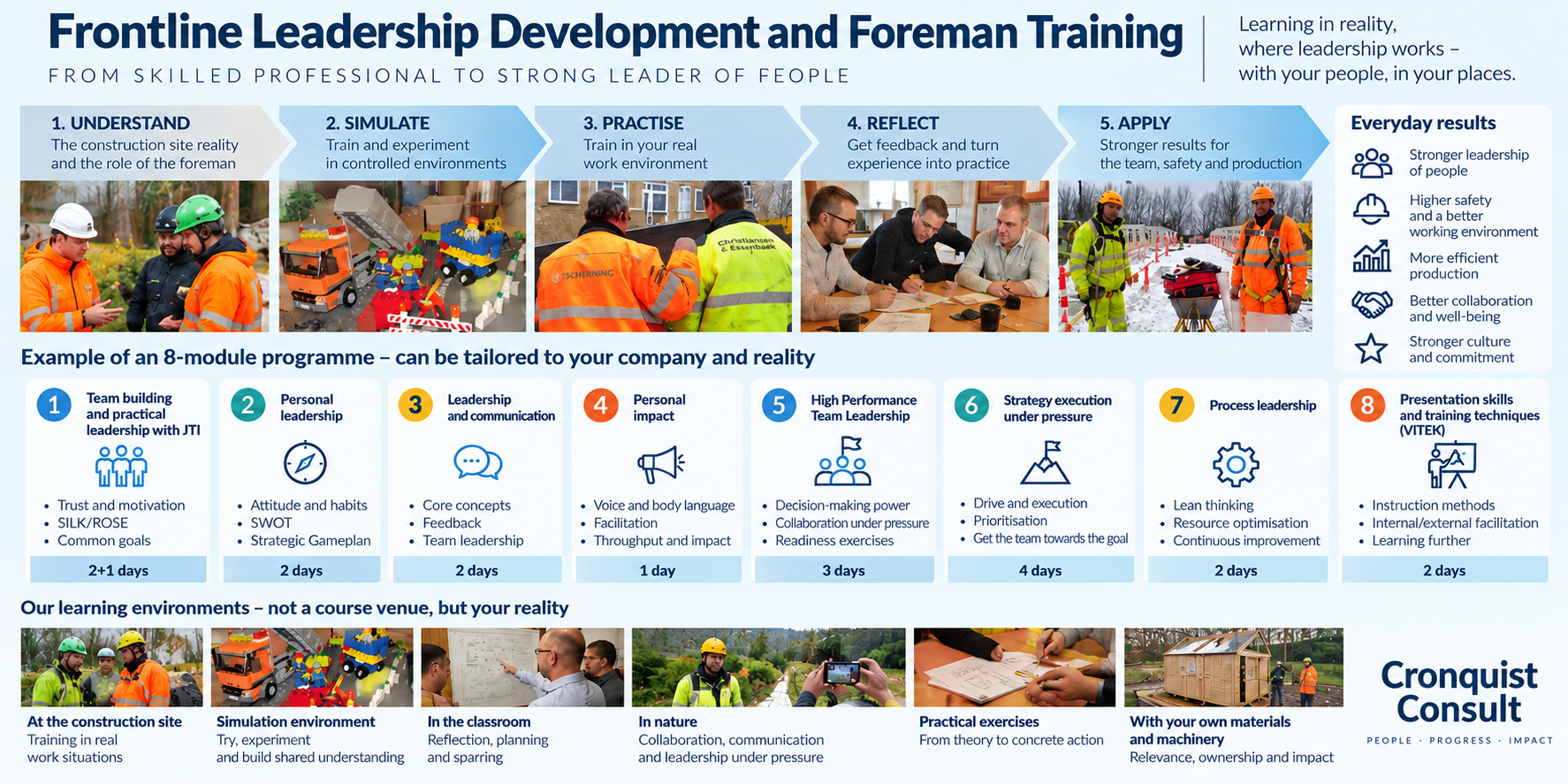
FROM SKILLED PROFESSIONAL TO STRONG PEOPLE LEADER
Learning in the reality where leadership must work — with your people, at your sites and workplaces.
The workplace reality and leadership role
Participants’ tasks, people, goals, relationships, production, safety and working environment.
Practise and experiment in controlled environments
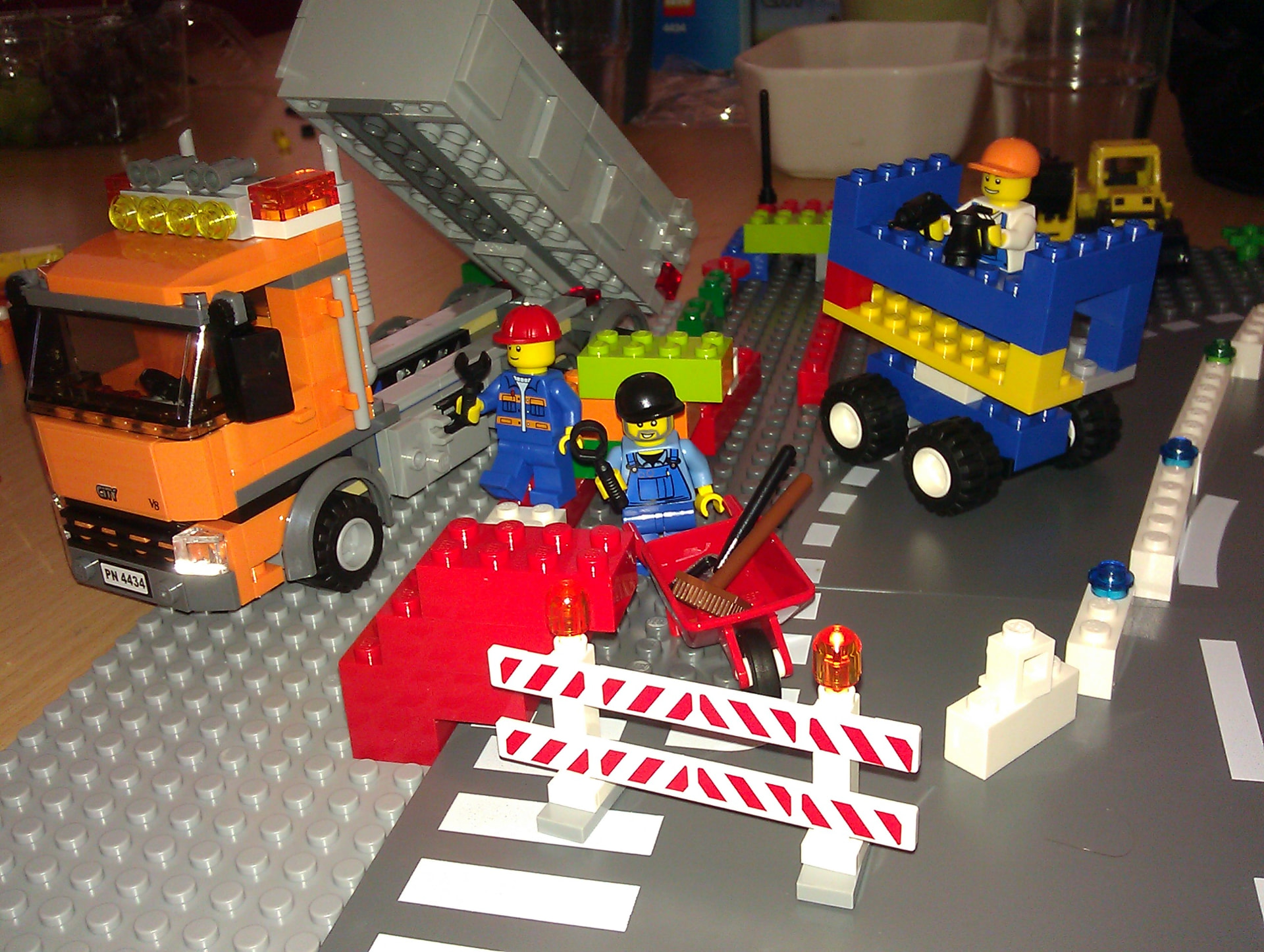
Try, fail, adjust and learn without putting production at risk.
Practise in the real work environment
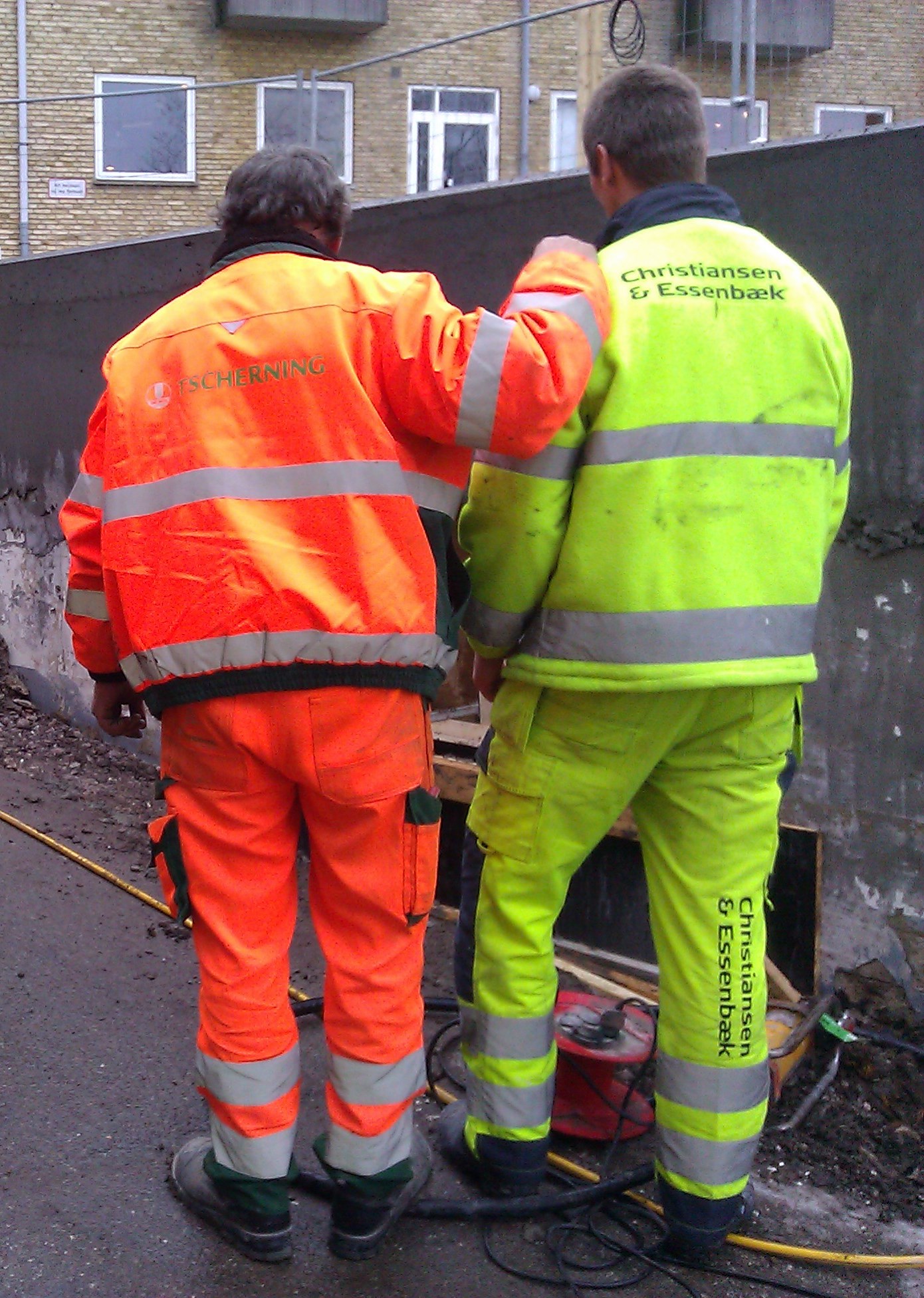
Turn new approaches into leadership, coordination and collaboration at work.
Use feedback to turn experience into learning
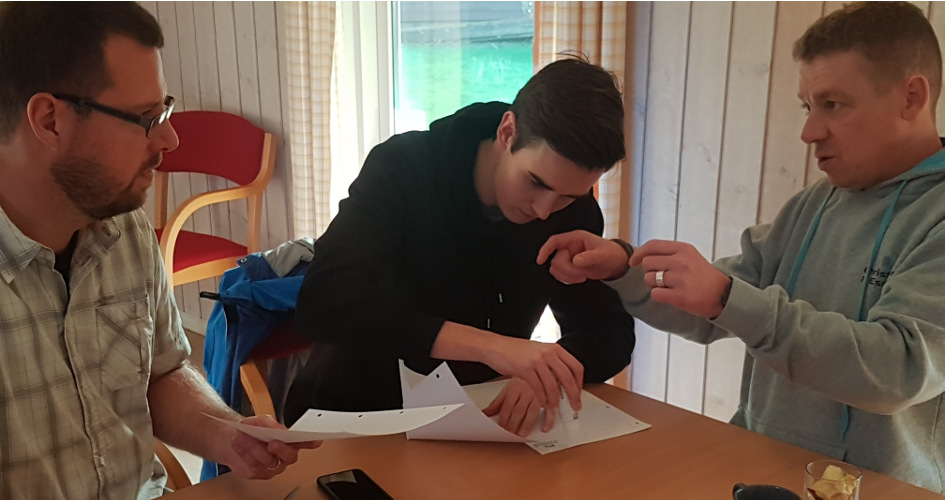
Explore what happened and what to adjust next time.
Use the learning in everyday leadership
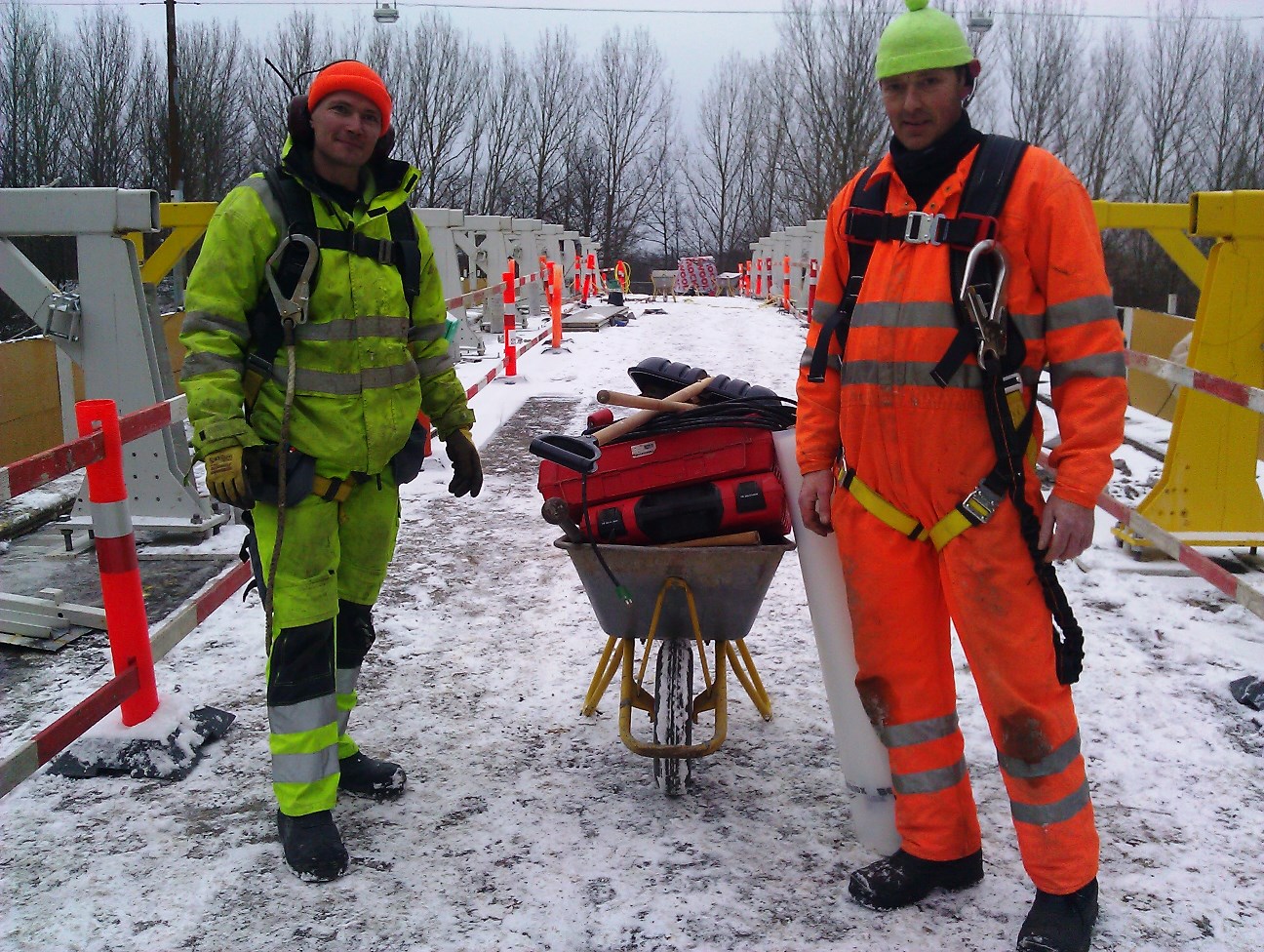
Embed behaviour in the team, safety, collaboration and production.
– adapted to your organisation and reality
Trust · motivation · shared goals · leadership in action
Behaviour · habits · self-awareness · personal direction
Core concepts · feedback · collaboration · team leadership
Voice · body · clear communication · presence
Decisiveness · collaboration under pressure · shared standards
Prioritisation · action · bringing the team to the goal
Flow · bottlenecks · use of resources · coordination
VITEK · instruction · on-the-job training · passing learning on
The modules demonstrate the breadth of a documented programme. They are an example, not a mandatory standard package.
– not one classroom, but your reality
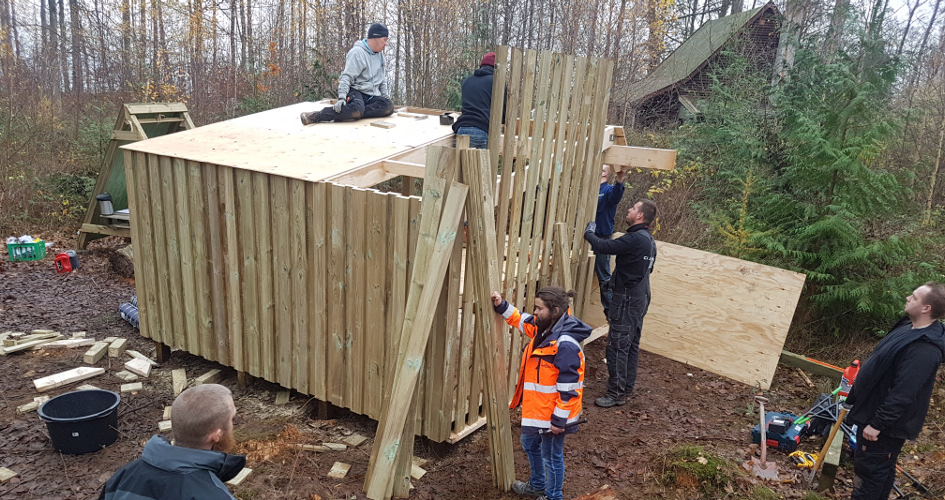
We deliberately move between relevant learning environments. The exact combination depends on the organisation’s work and objectives.
Technical expertise remains important. But the role increasingly requires the foreman or supervisor to create results through other people: setting direction, communicating clearly, coordinating, motivating, instructing, giving feedback, handling difficult situations, building collaboration, supporting safety and creating accountability.
Sets direction, prioritises, follows up and takes responsibility.
Builds collaboration, motivation, feedback and shared accountability.
Onboards, demonstrates, checks understanding and transfers practical knowledge.
Makes safety, the working environment and expected behaviour visible every day.
VITEK stands for Voksenpædagogisk InstruktionsTeknik — adult educational instruction technique. Mads Cronquist originally developed VITEK as a project manager at ISS in connection with practical workplace and on-the-job training.
Its current relevance is straightforward: a foreman or supervisor is often both a leader and an instructor. The role includes welcoming new colleagues, transferring practical knowledge, giving clear instructions, demonstrating working methods, checking understanding, correcting behaviour, giving feedback and supporting safe practice and culture.
VITEK
Leader and instructor
Instruction, checks for understanding, feedback, safe practice, onboarding and knowledge transfer.
HEAD
Understand & reflect
Knowledge · reflection · dialogue
HANDS
Do & practise
Practice · exercises · action
HEART
Feel & engage
Relationships · emotions · motivation
Lasting behaviour change
Cronquist Consult combines all three because practical leadership development requires understanding, action and engagement.
BygOp! is an example of the practice-based approach we use in our work with frontline leadership development. The project brought Christiansen & Essenbæk and Tscherning together around systematic capability development close to the reality of the workplace, including construction-site visits, foreman training, AMU vocational training, communication and JTI, and action learning.
The underlying principle is the same as in our frontline leadership programmes today: learning should not only be understood. It must be practised, tested, reflected on and applied in everyday work.
Cronquist Consult does not sell one fixed programme to every organisation. We design the programme around your reality.
Tell us about your work situations, audience and the behaviour you want to strengthen. We can then discuss a company-specific programme.
Talk to Cronquist Consult